
Exploring the Benefits of 3D Lab Print in Educational Institutions
In today’s fast-paced educational landscape, the integration of innovative technologies is reshaping how we teach and learn. Enter 3D Lab Print—a game-changing tool that’s transforming classrooms into dynamic laboratories of creativity and discovery. Imagine students not only reading about complex concepts but actually bringing them to life right before their eyes! From engineering to biology, the benefits of 3D printing in educational institutions are boundless, fostering hands-on learning experiences that spark curiosity and enhance understanding. Join us as we delve into the exciting world of 3D lab printing and uncover how it empowers educators and inspires students to think outside the box—literally!
Benefits of using 3D Lab Print technology in educational institutions
3D Lab Print technology is revolutionizing the way students engage with learning. One of its standout benefits is how it captures student interest, turning abstract concepts into tangible creations. This visual and tactile experience can ignite curiosity in ways traditional methods often cannot. Hands-on learning becomes a reality when students can design and print their own projects. They don’t just memorize theories; they apply knowledge practically, reinforcing what they’ve learned through experimentation. Cost-effectiveness is another significant advantage for educational institutions. Creating prototypes or models traditionally requires extensive materials and resources. With 3D printing, schools can produce high-quality items at a fraction of the cost. Moreover, this technology fosters creativity while enhancing critical thinking skills. Students navigate challenges during the design process, encouraging innovative problem-solving approaches that prepare them for future careers in various fields.
Enhancing student engagement and interest
3D Lab Print technology captures students’ imaginations in a way traditional methods often can’t. The thrill of watching an idea evolve from digital design to tangible object brings lessons to life. Students are not just passive recipients of information; they become active participants in their learning journey. This hands-on approach ignites curiosity and encourages exploration. When learners can manipulate objects they’ve created, concepts take on new meaning. The visual and tactile elements offered by 3D printing deepen understanding. It transforms abstract theories into concrete experiences that resonate with diverse learning styles. Moreover, the excitement surrounding 3D projects fosters collaboration among peers. Students share ideas, solve problems together, and celebrate each other’s successes—all essential skills for the modern world. By integrating this innovative technology, educators can effortlessly spark enthusiasm within every classroom setting.
Hands-on learning opportunities
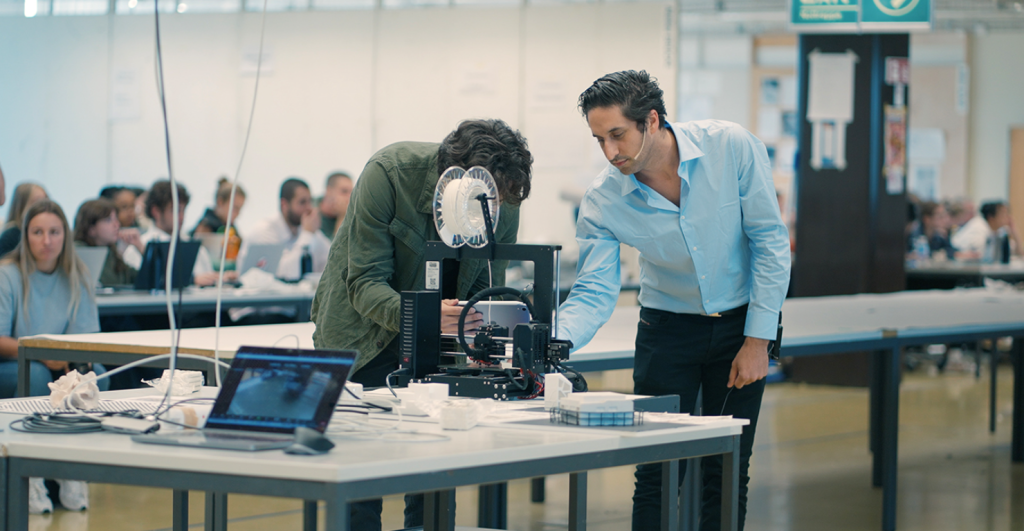
3D Lab Print allows students to transform abstract concepts into tangible realities. It brings lessons to life through hands-on experiences that textbooks simply can’t provide. Imagine a biology class where students can print models of complex structures like DNA or cells. This process deepens their understanding and makes learning memorable. In engineering courses, creating prototypes fosters practical skills. Students experiment with design iterations, gaining insight into problem-solving while having fun. Art classes benefit immensely too. Young artists can see their ideas take shape in three dimensions, encouraging experimentation with materials and techniques. These tactile opportunities not only reinforce theoretical knowledge but also spark curiosity. When learners engage directly with the material, they become active participants in their education—exploring, asking questions, and discovering new paths of inquiry along the way.
Cost-effective solution for creating prototypes and models
3D Lab Print technology offers a powerful advantage for educational institutions by providing a cost-effective solution for creating prototypes and models. Traditional methods of model-making often involve expensive materials and labor-intensive processes. With 3D printing, schools can produce high-quality prototypes at a fraction of the cost. This accessibility allows educators to experiment with designs freely without worrying about budget constraints. Students can create tangible representations of their ideas, enhancing comprehension in subjects like science and engineering. Moreover, the rapid turnaround time associated with 3D printing means that students can iterate their designs quickly. They can learn from failures and successes alike without significant financial penalties. As resources become more limited in education, adopting this affordable technology is not just smart—it’s necessary for fostering innovation among young minds. Being able to transform abstract concepts into physical objects encourages deeper understanding and inspires creativity across disciplines.
Fostering creativity and critical thinking skills
3D Lab Print technology opens the door to endless possibilities for students. When they design and create their own models, it sparks imagination in ways traditional methods can’t. Students are encouraged to think beyond the standard curriculum. They ask questions, experiment with designs, and learn from trial and error. This iterative process nurtures resilience and adaptability—qualities essential in today’s fast-paced world. As learners manipulate digital tools and 3D printers, they develop problem-solving skills that translate across disciplines. Whether it’s engineering a new product or creating an art piece, each project becomes a canvas for exploration. Moreover, collaboration is key in this creative process. Working together on projects fosters teamwork while allowing individuals to express unique perspectives. The result? A rich learning environment where creativity flourishes alongside critical thinking abilities.
Tips for effectively incorporating 3D Lab Print into the curriculum
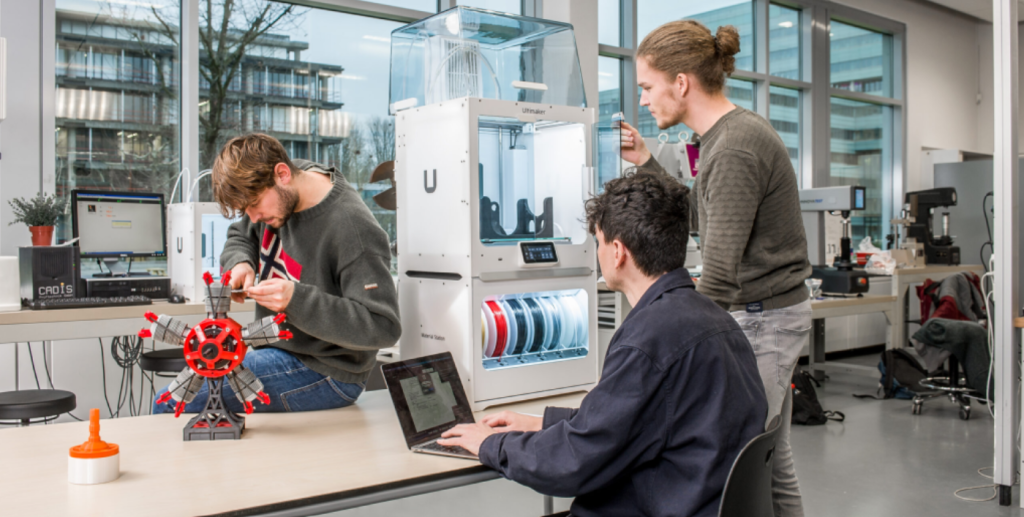
Start small by integrating 3D printing into existing lessons. Choose topics where students can design prototypes, like engineering or biology projects. This approach makes the technology accessible and relevant. Encourage collaboration among students. Group projects foster teamwork while allowing diverse ideas to flourish. Let them brainstorm concepts before diving into the design process. Provide clear guidance on software tools but leave room for exploration. Allowing students to experiment builds confidence and creativity in their designs. Connect with local businesses or makerspaces that use 3D printing technology. Field trips or guest speakers can inspire students and showcase real-world applications of what they’re learning. Finally, celebrate student creations through exhibitions or contests within the school community. Recognizing their efforts boosts motivation and encourages others to engage with 3D Lab Print in innovative ways.
Future potential and advancements of 3D printing in education
The future of 3D printing in education is brimming with possibilities. As technology evolves, we can expect even more sophisticated printers that deliver high-quality results faster than ever before. Imagine classrooms where students design and print their textbooks or historical artifacts. This could transform how subjects like history and science are taught, making learning immersive and interactive. Advancements in materials will open new doors as well. From biodegradable plastics to bio-printing human tissues for medical studies, the applications seem endless. Collaborative projects using cloud-based software might also emerge, allowing students from different locations to work together on designs seamlessly. Moreover, integrating artificial intelligence into 3D printing processes could lead to personalized educational experiences tailored to individual learning needs.